

Roofing Contractors Los Angeles: A Summer Maintenance Checklist
Roofing contractors Los Angeles homeowners trust explain what summer roof maintenance catches, from heat stress to drainage problems, before leaks start.
A small roof problem in Los Angeles rarely stays small once summer heat starts working on sealant, flashing, and drainage. Roofing contractors Los Angeles property owners call in this season usually find the same pattern: a loose detail, a clogged outlet, or a patch that looked fine until the roof got hot and dry. A careful summer maintenance visit catches those issues before they show up as stains, interior damage, or an emergency call after the first real rain. This guide explains what a proper maintenance visit should review, which roof details are most vulnerable in West Hills, Sherman Oaks, Glendale, and other heat-exposed neighborhoods, and when a maintenance issue is actually a repair or replacement warning. If you own a home, manage a commercial property, or oversee a flat-roof building, the goal is simple: know what to look for, ask for clear photos, and protect the roof before the weather shifts again.
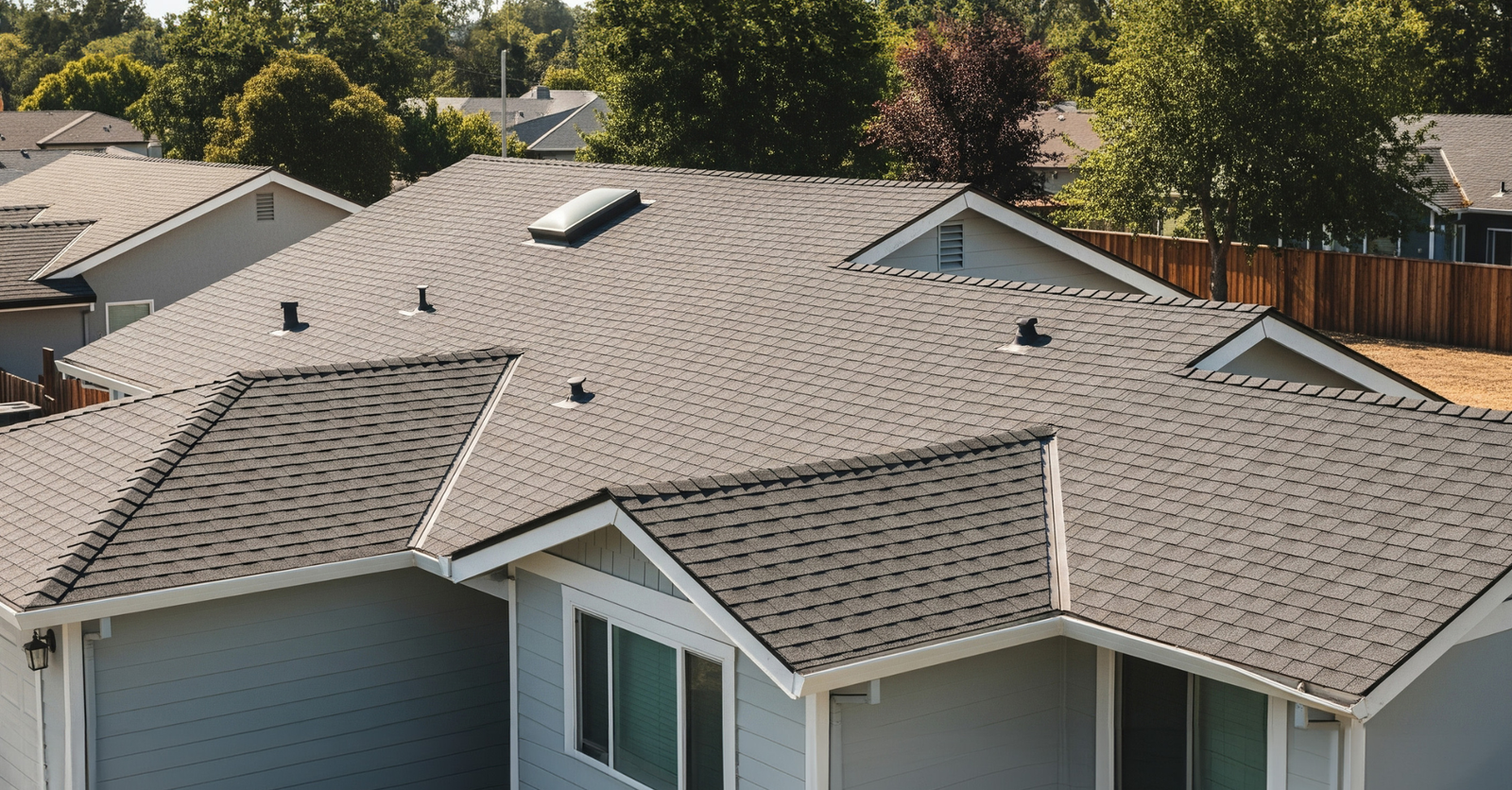
Roofing Contractors Los Angeles Should Inspect Before Summer Wear Spreads
A maintenance visit is not just a quick look from the ground. On a roof that has already lived through heat, wind, and daily expansion and contraction, the important details are often the ones hidden around penetrations and drainage points. A good roofer checks flashing around vents, skylights, chimneys, and wall transitions, then looks for brittle sealant, lifted edges, loose fasteners, or tile movement that could let water in later.
They should also review gutters, scuppers, downspouts, and low-slope areas where debris can trap moisture. If the roof is accessible, the technician should document what was found with clear photos so the owner can see the condition instead of guessing. In a city like Los Angeles, that kind of documentation matters because one roof can look fine from the street while showing early wear at the seams, valleys, and drainage lines.
The best maintenance notes are specific. They should explain whether a crack is cosmetic or active, whether a seal is simply aging or actually separated, and whether the issue is safe to watch for another season. That level of detail helps homeowners and property managers make calm decisions instead of reacting to a surprise leak.
- Flashing and sealant around roof openings
- Debris buildup in drains and valleys
- Cracked tiles, lifted shingles, or membrane edges
- Signs of water travel on the underside or attic side
Los Angeles Roof Maintenance for West Hills, Sherman Oaks, and Glendale Homes
Heat exposure is not equal across Los Angeles. A hillside home in West Hills or a canyon property in Sherman Oaks can take more sun and wind than a shaded lot near the coast, and that changes how a roof ages. Spanish tile systems may show slipped tiles or worn underlayment at transitions, while composition roofs often show brittle tabs, cracked sealant, and flashing fatigue around vents and walls.
That is why location matters during maintenance. A crew working in Glendale or Pasadena should pay attention to the roof’s orientation, nearby trees, and anything that makes one slope hotter than the others. Clean work habits matter too: protected landscaping, magnetic nail cleanup, and respectful access reduce the risk of adding a new problem while solving an old one.
For homeowners, the best takeaway is simple. Ask for a roof summary that explains what is normal wear, what needs monitoring, and what should be repaired now. That keeps the conversation grounded in facts instead of fear, and it helps you plan ahead before the roof turns into a bigger project. If you are comparing roofing contractors Los Angeles families can trust, look for clear reporting, photos, and a crew that explains the roof in plain language.
Roofing Contractors Los Angeles Use Flat Roof Checks to Prevent Ponding
Flat and low-slope roofs need a different kind of summer maintenance because drainage problems often start long before water ever reaches the interior. On buildings in Culver City, Inglewood, Santa Monica, and other commercial areas, a roofer should inspect seams, membrane laps, HVAC curbs, parapet walls, and any spot where water tends to sit after a storm or heavy washdown. Ponding water is a maintenance clue, not just a nuisance.
The goal is to confirm whether the roof can still move water the way it was designed to move it. Sometimes the fix is straightforward: clear debris, reset a detail, seal a flashing transition, or repair a localized membrane issue. Other times, repeated ponding or recurring patchwork means the roof has reached the point where repair alone will not solve the pattern. The earlier that is identified, the easier it is to plan work without disrupting tenants, employees, or equipment.
Commercial owners should also ask for notes about rooftop equipment access and any areas where service crews may have left scuffs, holes, or temporary penetrations. Those details are easy to miss, but they matter when a building depends on the roof every day. They also help a manager compare one inspection to the next and see whether a repair is holding or whether the system is sliding into a larger maintenance cycle.
When Maintenance Becomes a Repair or Replacement Decision
Not every maintenance issue deserves a full replacement recommendation, but a responsible contractor should explain when the roof is moving beyond routine upkeep. Repeated leaks in the same area, widespread cracking, soft decking, deteriorated plywood, and membrane seams that keep opening are all signs that the roof needs more than another quick patch. In those cases, the next step may be roof repair, partial renovation, or a replacement plan that is timed before the roof fails in a more expensive way.
Los Angeles property owners should also think ahead about cool roof upgrades, Title 24 requirements, and solar-ready planning if the roof is already approaching the end of its useful life. A smart maintenance conversation does not rush that decision. It maps the condition of the roof, the likely work sequence, and the practical timing so you can make the next move with less stress. That is especially helpful for homes that sit under heavy sun exposure and for commercial buildings that need to keep operating while work is scheduled.
When a contractor explains why a repair is enough or why a larger plan is smarter, you get a clearer path forward. That kind of honesty is what turns a roofing visit into real roof management instead of a temporary fix.
How to Prepare Your LA Roof for the First Real Rain
Summer maintenance is really about getting ahead of the first serious rain, not waiting for it. Once the roof has been inspected, keep the report, photos, and any repair notes together so you can track what changed from one visit to the next. If a detail was monitored instead of repaired, note where it is and what symptoms would mean it is time to act.
For busy homeowners and commercial property managers, communication matters just as much as the inspection. Ask how the contractor will explain the findings, whether they can provide bilingual updates if needed, and how they separate urgent issues from items that can wait. That kind of clarity is one reason local clients keep a trusted roofing team on call instead of starting from zero every time something changes.
Before the weather shifts, walk the roof plan with your contractor and verify the next step. If the roof is stable, you may only need monitoring and a return visit. If there is an active concern, schedule the repair while access, weather, and crew timing are still on your side. That is how preventive roofing protects time, money, and peace of mind across Los Angeles. It also gives you a clean paper trail if a later leak needs to be traced back to a known detail.
Frequently Asked Questions
How often should a roof be inspected in Los Angeles?
Most Los Angeles roofs should be inspected at least once a year, and a second check makes sense after heavy wind, major heat exposure, or any leak concern. Homes with flat roofs, older tile systems, or heavy tree cover may need more frequent attention. The key is to catch small changes before they turn into interior damage.
What does a roof maintenance visit include in West Hills?
A maintenance visit in West Hills should include flashing, sealant, drainage points, roof penetrations, tile or shingle condition, and visible signs of water intrusion. A good roofer will also look at heat-related wear because hillside homes often take more direct sun and wind. Photos and plain-language notes should come with the visit.
Can flat roofs in Culver City be maintained instead of replaced?
Yes, if the roof still has sound materials and the issues are limited to isolated seams, drainage problems, or a small damaged section. Flat roofs in Culver City often benefit from cleaning, resealing, and targeted repairs when the membrane is still in usable condition. If ponding keeps returning or the system has recurring leaks, replacement may be the better long-term path.
How do I know if heat damage is turning into a leak in Los Angeles?
Watch for brittle sealant, lifted flashing, cracked tile edges, staining around vents, or dark spots on ceilings and attic decking. Heat damage often shows up first as a roof detail that has shifted, dried out, or separated slightly. Once water finds that opening, a leak can follow fast when the next rain arrives.
Is roof maintenance worth it before the rainy season in LA?
Yes, because the dry season is when many roof problems become easier to spot and fix. Maintenance before the rainy season gives you time to handle repairs, gather documentation, and plan larger work without the pressure of an active leak. It is a practical way to reduce surprises when the weather changes.
Should I ask for photos after a roof inspection in Glendale?
Absolutely. Photos make it easier to understand what is normal wear, what needs repair, and what can wait. They also help property owners, managers, and HOA boards make decisions without relying on memory or a vague verbal summary. Clear documentation is one of the best signs you hired a careful contractor.
